.svg)


Iberia Sets Course for Toronto in a New Transatlantic Chapter this Summer 2026
.jpg)
.svg)
When major carriers cross the Atlantic, a new development like this usually ushers in shifting trends, new opportunities, and a long-term strategy for the airline in question. That is no different with Iberia and the newly announced Madrid–Toronto service. Come June 2026, Spain's flag carrier will be opening a brand-new seasonal route that will link its busy Madrid-Barajas hub with the largest city in Canada. News of this has been expected within aviation circles for months, but details reveal that this is indeed one of the most interesting moments for narrow-body, long-haul flying.
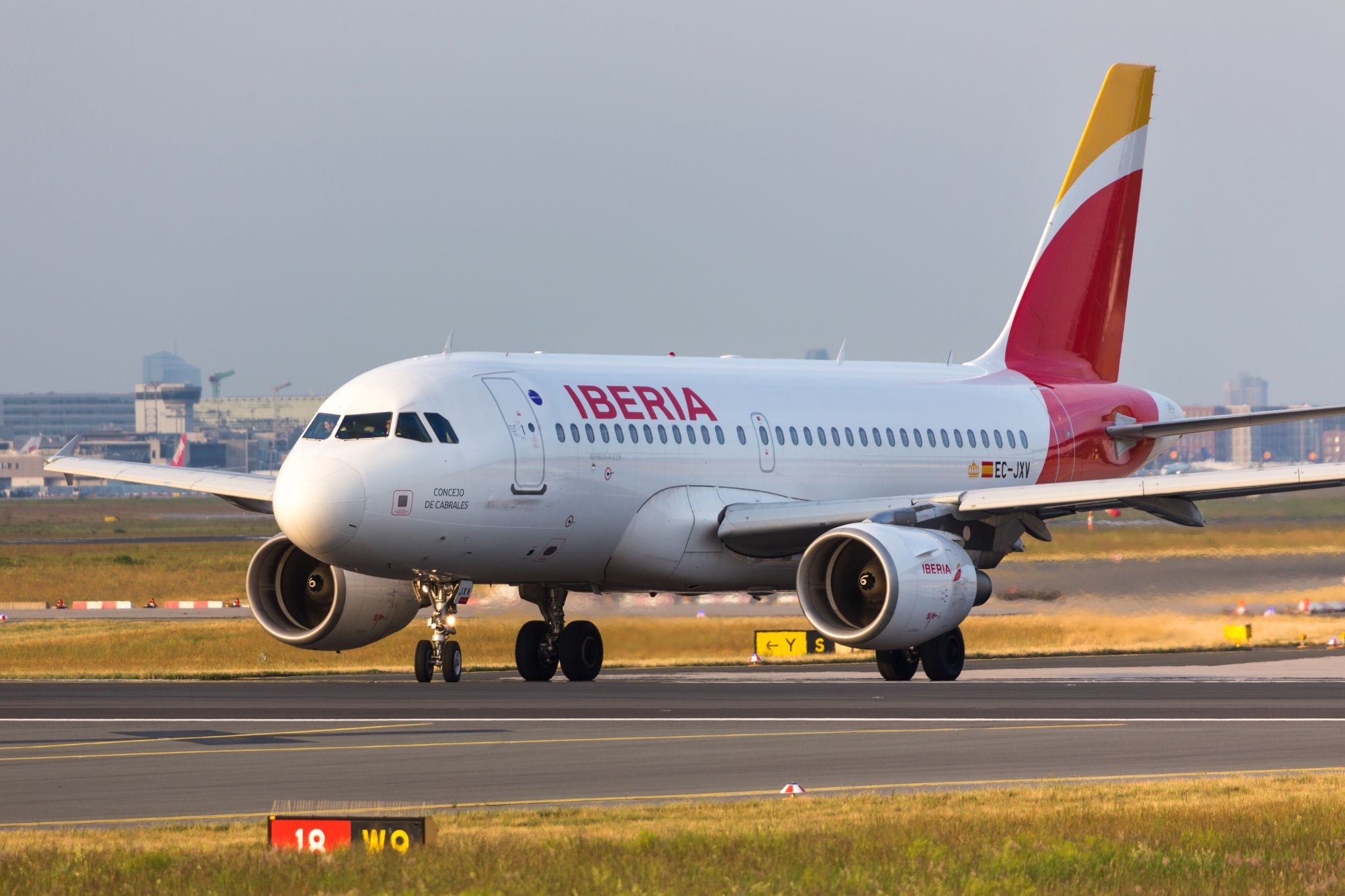
The details below outline what travelers can expect from the new service, why aircraft selection matters, and how this flight fits into Iberia's broader North American strategy.
A modern route for a modern traveler
Beginning on June 13, 2026, Iberia will start flying five-weekly through the peak summer season between Madrid (MAD) and Toronto (YYZ) when demand across the Atlantic is strongest.
Overview of Flight Schedule
Although times may shift slightly closer to launch, the airline plans to operate with the following schedule:
MAD → YYZ: Leaves mid-day, arrives mid-afternoon
YYZ → MAD: Late afternoon departure with next-morning arrival in Spain
With an approximate flight distance of 3,700 miles, westbound, the trip is projected to take about nine hours, but coming back it takes just less than nine hours with tailwinds common in eastbound Atlantic crossings.
This schedule is tailor-made for leisure travelers: an arrival time in Toronto that avoids the red-eye fatigue, a return journey getting passengers into Madrid in plenty of time to connect onward throughout Spain or the rest of Europe.
Introducing the Aircraft: Iberia's A321XLR Takes Center Stage
But perhaps the most noteworthy part of this launch is the airplane itself: rather than using a wide-body jet, Iberia is assigning the Airbus A321XLR, the newest and longest-range variant of the Airbus A320 family.
Why This Aircraft Matters
The A321XLR represents the sea-change in the airlines' long-distance flying.
- Fuel-efficient, optimal for thinner long-haul routes
- Lower operating costs than conventional twin-aisle jets
- Right-sized capacity for markets whose demand is strong but seasonal
The Iberia version of the A321XLR is configured to have 182 seats, split between:
- 14 business-class seats in lie-flat beds
- 168 tourist-class seats
What is interesting, though, is that Iberia does not have a premium economy cabin on this aircraft, suggesting the Toronto route is really geared toward leisure, rather than heavy corporate traffic.
For passengers, the narrow-body design means a quieter, more advanced cabin compared to older long-haul planes, though the smaller layout also means fewer premium seats and less overall cabin space. Still, the XLR's extended range opens up routes like this one that would have been inefficient to operate with larger aircraft.
Why Toronto? Understanding Iberia's Strategic Move
This new service represents both the first and the only Canadian destination for Iberia, thus positioning Toronto as a strategic gateway to its North American presence.

Strengthening the North American Network
Iberia already has a strong presence across major U.S. cities serving:
- New York
- Miami
- Boston
- Chicago
- Los Angeles
- San Francisco
- Washington, D.C.
- Dallas
- Orlando
- San Juan
Toronto's addition gives Iberia another important anchor in the region, broadening access inside the OneWorld alliance and reinforcing partner connectivity with both British Airways and American Airlines.
A Market with Natural Demand
Travel between Europe and Canada spikes during the summer travel season. Europeans visit Canada for its outdoor experiences, national parks, and cosmopolitan cities. Canadians head west for the culture, food, and attractions of Europe. The timing and frequency also align almost perfectly with this annual trend.
While the Toronto market has traditionally been dominated by Air Canada and its Star Alliance partners, Iberia will have a number of advantages:
- Access to OneWorld transatlantic joint venture benefits
- A new fuel-efficient aircraft suited to mid-sized markets
- The ability to provide single-ticket journeys through Spain and on to wider Europe
This gives Iberia a strategic foothold in the market without the wide-body capacity commitment.
What this means for travelers
The new route opens up new travel options and convenience for passengers on both sides of the Atlantic.
For Canadian Travelers
- More nonstop access to Spain
- Easy onward connections to popular European destinations such as Paris, Rome, Lisbon, and Berlin
- Opportunity to experience Iberia's newest business-class product onboard the A321XLR
For Spanish and European Travelers
- Taking you straight to Canada's biggest city.
- Convenient access to domestic Canadian destinations via Toronto Pearson
- Seamless connections with OneWorld partners where available
The new route provides flexibility and choice in a market that has grown steadily over the last ten years, with global travel continuing to rebound and expand.
Economic and Tourism Impact
Airlines do not open new long-haul routes without clear evidence of demand, and Toronto has seen consistent growth in its European visitor numbers. The addition of Iberia's service is expected to support:
- Tourism between Spain and Canada
- Business links, in particular small and medium-sized enterprises.
- Cultural exchange and student travel
From Madrid's perspective, Toronto becomes another gateway for North Americans traveling to Spain for its cultural and coastal destinations. For Canada, the route cements ties with Europe's Iberian Peninsula, where there is already strong interest from Canadian tourists.
The bigger picture: Iberia's 2030 flight plan
The new route isn't a decision in isolation; it's part of the jigsaw. Iberia's long-run "Flight Plan 2030" outlines the strategic objectives of the airline, which will further develop its long-haul offering, renew its fleet, and reinforce international partnerships.
Adding Toronto checks several boxes:
- Growth in underserved North American markets
- Deployment of next-generation aircraft
- Achieve higher sustainability through efficient operations.
- Diversifying transatlantic revenue streams
For Iberia's leadership, deploying the A321XLR is not only a cost decision but a statement about the future direction of the carrier. The aircraft fits Iberia's long-term sustainability goals with reduced emissions and better fuel performance while unlocking the ability to operate thinner routes profitably.
Will More North American Routes Follow?
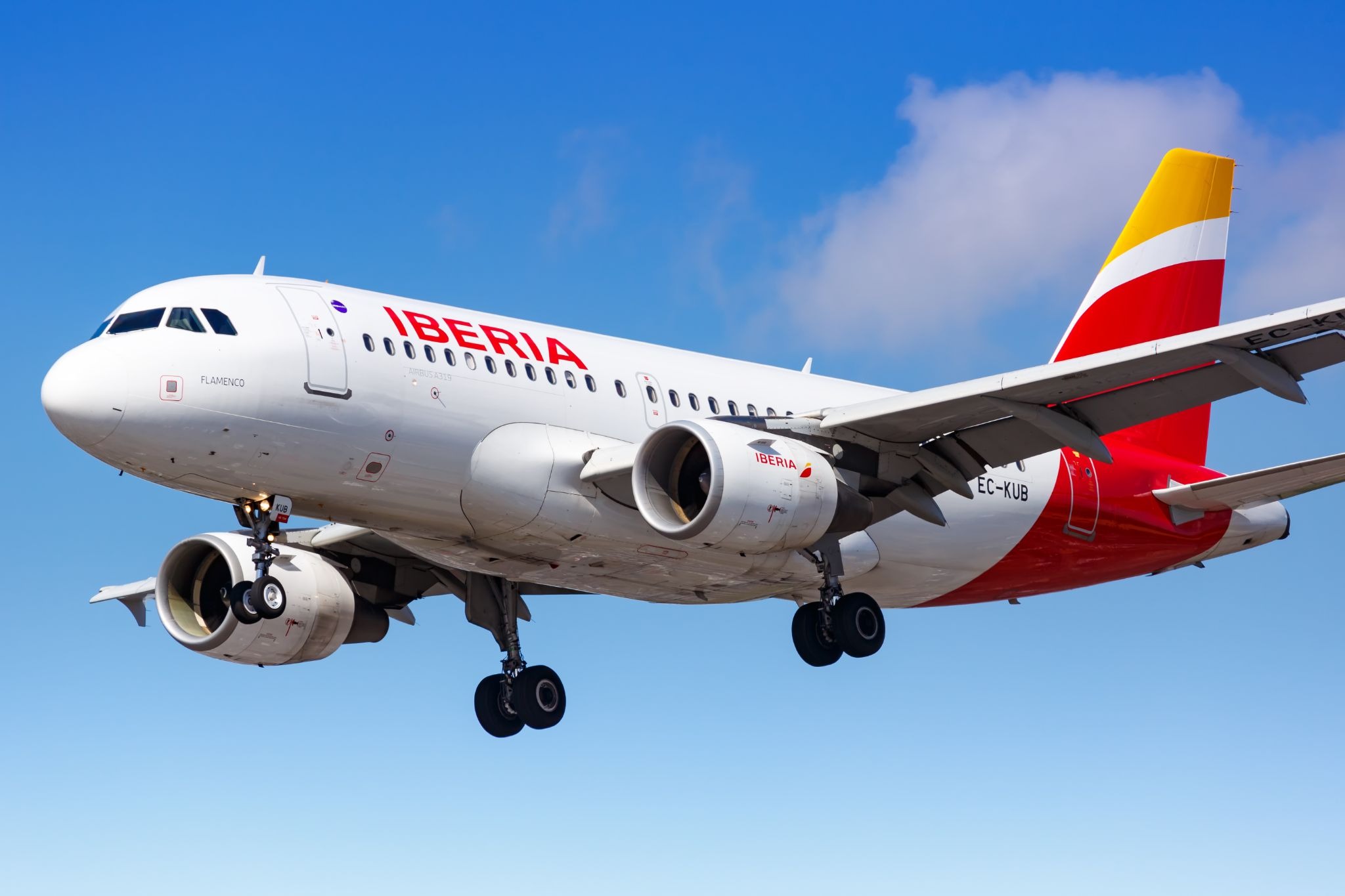
Industry sources expect the carrier to proceed with its westward expansion, with Philadelphia being widely tipped as one of the next possible additions in North America based on indications from the airline itself and strategic developments in progress. Given the strong presence of OneWorld in that region and close ties with American Airlines, the move would square with Iberia’s broader partnership strategy.
Final Thoughts
More than a new dot in the sky, Iberia's new Madrid–Toronto route showcases how airlines are reimaging long-haul flying with new aircraft technology while targeting markets that appropriately balance demand with operational efficiency.
Iberia is confidently moving toward a more sustainable and flexible future for transatlantic travel with the launch of its seasonal service on the Airbus A321XLR. New opportunities abound on the route for passengers to explore both Spain and Canada, among other routes, while experiencing one of the most modern narrow-body aircraft flying today.
With Summer 2026 on the horizon, travelers on both continents will gain a fresh option for crossing the Atlantic, while the move further reinforces Iberia's commitment to growing its North American footprint in smart, strategic ways.
DISCOVER THE RIGHT CARD FOR YOU.
Explore our card recommendations and find a credit
card that suits your personal needs.
.jpg)

.jpg)
.svg)